

Compliance
Inspections
Spruce Builders partners with discerning property management teams and property owners to deliver code-mandated inspections with precision, discretion, and clarity. We understand the operational, legal, and reputational responsibilities tied to compliance, and we provide inspection services that protect both occupants and long-term asset value. Our team performs required inspections, including California SB-721 balcony and exterior elevated element inspections, San Francisco Section 604 inspection, and Fire Escape Load Testing, helping ensure properties meet regulatory requirements while maintaining the safety, integrity, and longevity of the building.

What We Offer
Our experts will guide you through every step, ensuring your property meets all required inspection standards. Don't wait until it's too late — contact us today to stay compliant and protected.
-
Under California Senate Bill 721, the state of California mandates inspections of exterior elevated elements every 6 years—and Spruce Builders is here to ensure your property remains fully compliant.
Our team conducts thorough evaluations of balconies, decks, stairways, and walkways, assessing structural integrity, waterproofing systems, and load-bearing components to identify deterioration or safety concerns before they become costly liabilities.
Through clear, detailed reporting and actionable recommendations, we provide the documentation and guidance you need to keep your property safe, compliant, and protected for the long term.
-
Under San Francisco Building Code Section 604, property owners are required to conduct inspections of exterior elevated elements every 5 years—and Spruce Builders is here to ensure you meet that obligation with confidence.
Our team thoroughly evaluates the condition of wood and metal building elements, including balconies, decks, stairways, guardrails, fire escapes, walkways, and their supporting framing, fasteners, and connections.
Through careful assessment and detailed reporting, we identify conditions that may compromise structural performance or public safety—delivering clear, precise documentation that supports regulatory compliance, proactive maintenance planning, and the long-term protection of your property.
-
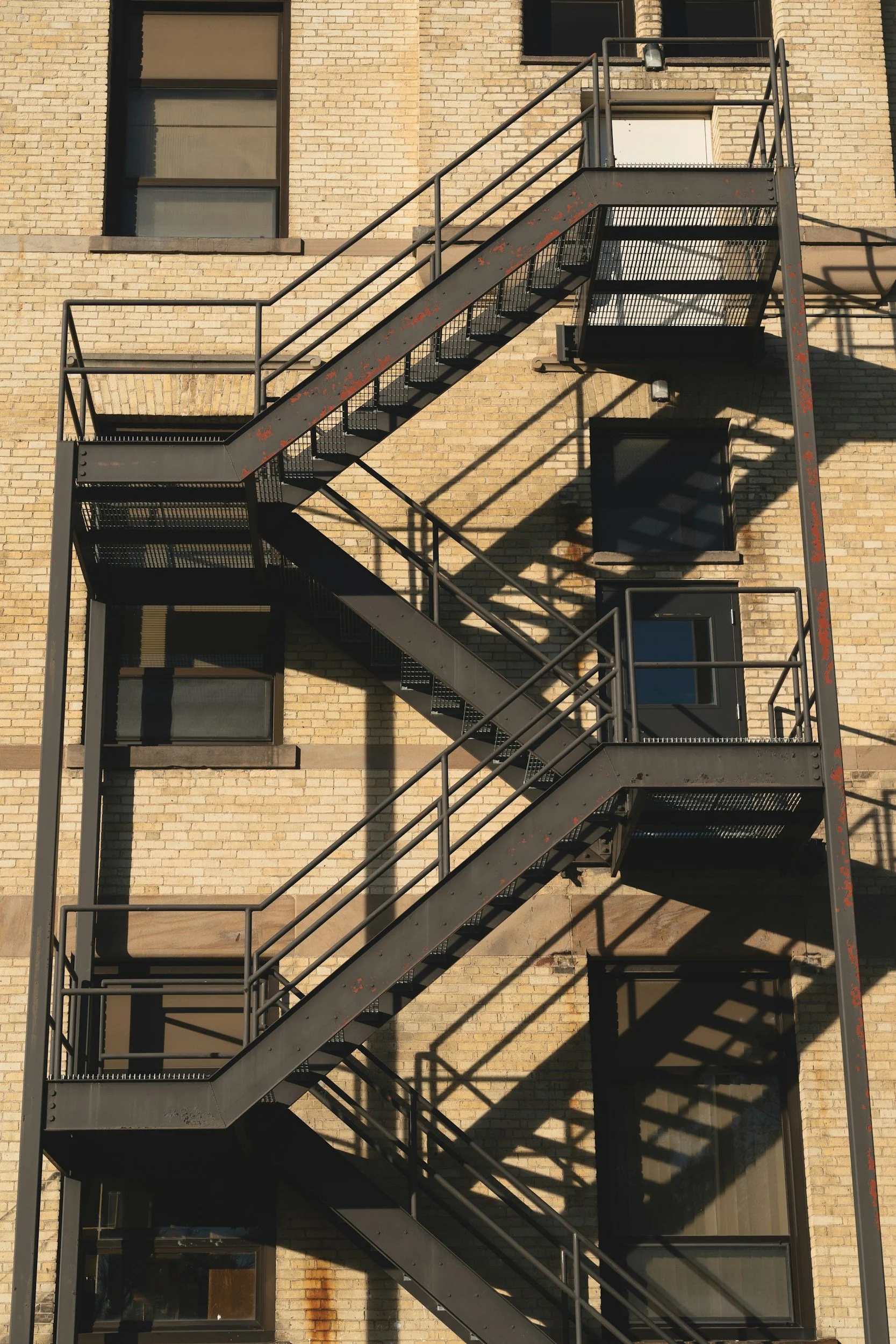
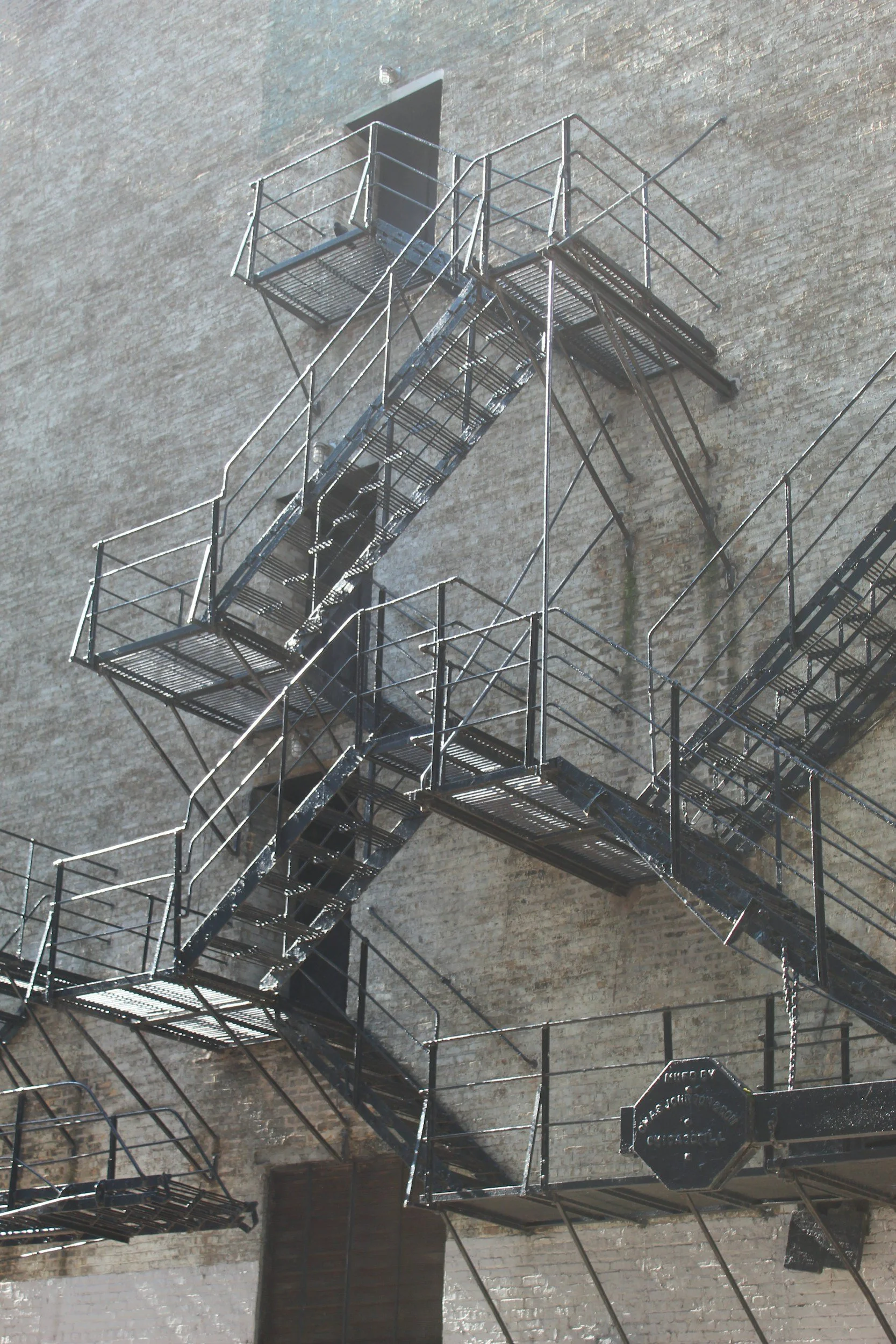
In accordance with California Fire Code (CFC) Section 1032.2.1.3 and International Fire Code (IFC) Section 1104.16.5, all fire escape systems—including fire escape stairways, balconies, and exit components—are required to undergo a comprehensive inspection at intervals not exceeding five years. Compliance with this mandate is enforceable by the Authority Having Jurisdiction (AHJ).
These inspections are conducted to verify structural stability, proper anchorage, corrosion protection, and overall life-safety performance. A mandatory component of the evaluation is the fire escape load test, which confirms the system’s ability to safely support prescribed design loads during an emergency evacuation.
Failure to complete the required inspection and load testing within the mandated timeframe may result in code violations, enforcement action, and potential penalties. Timely compliance is essential to maintain life-safety standards and limit liability exposure.
Your Questions, Answered
-
SB 721 is a California state law requiring the inspection of Exterior Elevated Elements (EEEs) in multi-family residential buildings with three or more units. The law was enacted to improve safety after several tragic balcony failures across the state.
The bill mandates that property owners have qualifying elements inspected to ensure structural integrity and occupant safety.
-
An Exterior Elevated Element includes:
Balconies
Decks
Porches
Exterior stairways
Walkways
Landings
Entry structures
To qualify under SB 721, the element must:
Extend beyond the exterior wall of the building
Be elevated more than 6 feet above ground
Be supported (in whole or in part) by wood or wood-based products
-
SB 721 applies to:
Multi-family residential buildings
Three or more dwelling units
Buildings containing exterior elevated elements as defined by the law
Single-family homes are not subject to SB 721. -
The initial inspection deadline was January 1, 2026 - The deadline has now passed, book your inspection today.
If your building has not yet been inspected, you should schedule an inspection immediately to reduce liability exposure and potential enforcement action.
After the initial inspection:
Re-inspections are required every 6 years.
-
The inspection includes:
Visual examination of all qualifying elevated elements
Moisture intrusion assessment
Evaluation of structural components
Borescope Inspection to examine the structural integrity of the interior of the building
Photographic documentation
A detailed written report
The final report outlines whether the element is:
Safe
In need of repair
In need of immediate stabilization
-
If safety concerns are identified:
The inspector will provide written findings
Repairs must be completed within the timeline outlined in the report
Any identified safety hazard requires immediate corrective repairs
Local building departments may require permits for structural repairs
Failure to complete required repairs can result in fines and liability exposure.
-
All exterior elevated elements—regardless of structural material—must be evaluated for structural integrity, waterproofing performance, and potential deterioration that could compromise occupant safety.
Under Section 604, an Exterior Elevated Element includes:
Fire Escapes
Balconies
Decks
Porches
Exterior stairways
Walkways
Landings
Entry structures
-
Section 604 applies to:
Residential buildings with three or more dwelling units
Buildings located within the City and County of San Francisco
Structures containing qualifying exterior elevated elements
-
While both address exterior elevated element safety:
Section 604 is a San Francisco local ordinance enforced by the SF Department of Building Inspection. Affidavit of Compliance must be submitted to San Francisco Department of Building Inspection https://www.sf.gov/file/compliance-affidavit-section-604-sf-housing-code
Section 604 also includes Fire Escapes, metal and concrete structures, SB 721 is only wooden based elements
SB 721 is a statewide law
San Francisco properties with 3 units or more are subject to both requirements.
-
To prepare:
Provide access to all balconies and exterior elevated elements
Notify tenants in advance
Share prior inspection and repair records
Identify known water intrusion issues
Early preparation streamlines compliance and reduces delays.
-
International Fire Code (IFC) Section 1104.16.5 and California Fire Code (CFC) Section 1032.2.2.3 require that fire escape systems be inspected and tested at least once every five years.
These codes mandate verification that fire escapes remain structurally sound, properly maintained, and capable of supporting required design loads in the event of an emergency evacuation.
-
The code applies to all components of a fire escape system, including:
Fire escape stairways
Fire escape balconies
Platforms and landings
Exit ladders
Structural supports and anchorage connections
Associated exit pathways
Any exterior fire escape serving as a required means of egress must comply.
-
Minimum Live Load Capacity: Fire escapes must be capable of supporting A minimum live load of 100 pounds per square foot (psf).